
Consult a qualified healthcare provider before trying any alternative therapies, including bee venom, as no current scientific evidence supports bee venom as a safe or effective cure for HIV. Rely on proven treatments prescribed by your HIV care team and connect with recognized resources for support and up-to-date information on treatment options in Canada. Ignore viral claims and “miracle cures” on social media, as they can be dangerous and are not endorsed by medical authorities or Health Canada. Stay informed about scientific research, but also consider lived experiences and connect with others in the HIV community, as shared in recent HIV statistics in Canada to help guide your decisions and maintain your well-being.
Where Does the Idea Come From?
Curiosity about bee venom’s effects on HIV isn’t new. The idea gained traction after a handful of scientific studies published over the past decade observed that melittin, a peptide found in bee venom, appeared to damage the protective outer layer of the HIV virus in laboratory settings. News outlets picked up on these findings, sometimes with dramatic headlines that suggested bee stings or bee venom might be “the next miracle cure” for HIV. Those early reports circulated widely through social media and online forums, often without context or critical review.
In particular, a 2013 study from researchers at Washington University caught global attention. The team published results showing that melittin could puncture the envelope surrounding HIV, inactivating the virus in petri dishes. While the study discussed this mechanism as a promising step towards developing preventative methods, it quickly morphed in the public imagination into claims that bee venom could cure people living with HIV. Personal anecdotes and hopeful speculation began to show up on YouTube, community message boards, and even some natural health blogs, blurring the line between scientific progress and wishful thinking.
These stories often found a receptive audience among people searching for alternatives in the face of stigma or frustration with conventional treatments. They spread quickly, especially when conventional medicine’s answers seemed slow or unsure. That’s why it’s so important to look carefully at where these ideas start, and how they’re shaped before reaching readers hoping for real breakthroughs.
What is Bee Venom? Understanding the Basics
Bee venom is a complex liquid that honeybees produce and deliver through their stingers when they perceive a threat. This substance evolved as a defense mechanism, causing pain and inflammation to deter predators. While a single bee sting might just hurt and swell, the venom itself contains a cocktail of compounds that researchers have studied for decades.
The main active ingredient is a peptide called melittin, which makes up roughly half of the venom’s dry weight. Melittin can punch holes in cell membranes, disrupting their structure. Other components include enzymes like phospholipase A2, which breaks down fats in cell walls, and smaller peptides that trigger immune responses or affect nerves. These elements work together to create the familiar sting reaction: redness, swelling, and discomfort.
- Melittin
- The primary peptide in bee venom that can break apart cell membranes by creating pores in their outer layer.
- Venom peptides
- Short chains of amino acids found in bee venom that have various biological effects, from inflammation to antimicrobial activity.
- Antiviral
- A substance or treatment that works against viruses, either by preventing them from entering cells or by stopping their replication once inside.
- Phospholipase A2
- An enzyme in bee venom that breaks down phospholipids in cell membranes, contributing to inflammation and tissue damage.
Historically, bee venom therapy, or apitherapy, has roots stretching back centuries in traditional medicine across Europe and Asia. Modern researchers began investigating its potential medical uses in the mid-twentieth century, looking at conditions from arthritis to multiple sclerosis. The idea that certain components might disrupt viruses emerged more recently, sparking curiosity about applications beyond pain and inflammation.

Bee Venom Research and HIV: What Do We Really Know?
Laboratory Findings vs. Real-World Applications
Lab experiments with bee venom often take place in highly controlled settings. Researchers have observed that certain components of bee venom, like melittin, can damage HIV in a test tube by breaking down the virus’s outer layer. These promising results, however, come from studies where the virus is isolated, and there are no complications from the immune system, organ interactions, or other medications.
Applying these findings to real treatment for humans is much more complicated. The body is vastly more complex than a petri dish. Safe delivery of bee venom’s active ingredients, avoiding severe allergic reactions, and ensuring no harm to healthy cells remain major hurdles. No clinical trials in humans have proven bee venom safe or effective for HIV, showing how much work remains before any real-world treatment is possible.

Real Risks: Dangers and Side Effects
Bee venom is far from harmless. The most immediate danger is anaphylaxis, a severe allergic reaction that can cause throat swelling, difficulty breathing, rapid pulse, and a potentially fatal drop in blood pressure. Even without a known allergy, repeated stings can sensitize the immune system, making future reactions worse.
For someone living with HIV, there’s an even more dangerous risk: abandoning or delaying antiretroviral therapy in favour of unproven treatments. Modern HIV medications are highly effective at suppressing the virus and protecting immune function. Stepping away from this proven care, even briefly, allows the virus to replicate unchecked, potentially leading to drug resistance, immune damage, and progression to AIDS.
No anecdotal story or viral video justifies gambling with your health. Stick with treatments that have been rigorously tested and approved by Health Canada.
Canadian Context: What Does This Mean for People Living with HIV in Canada?
In Canada, no regulatory body endorses bee venom or bee stings as a treatment or cure for HIV. Health Canada maintains strict standards for any therapy marketed to manage or cure infectious diseases, and bee venom therapy for HIV does not meet those standards. While it’s understandable to hope that new research might lead to breakthroughs, the gap between early lab findings and approved clinical practice is vast. Canadian healthcare providers follow evidence-based guidelines rooted in decades of research, and those guidelines currently recommend antiretroviral therapy as the gold standard. Understanding Canada’s HIV picture helps put these headlines in perspective: our healthcare system prioritizes safety, rigorous testing, and patient protection.
You won’t find licensed clinics offering bee sting therapy for HIV anywhere in Canada. Practitioners who suggest otherwise are operating outside the bounds of accepted medical care and may put people at serious risk. If you hear claims about bee venom cures, it’s worth remembering that treatments not approved by Health Canada lack the safety data and efficacy proof required to protect you. Comparing global vs. Canadian HIV research also reveals that what works in a lab overseas does not automatically translate into safe, effective treatment here.
Is bee venom therapy for HIV legal in Canada?
Bee venom is not approved by Health Canada for treating or curing HIV, and no licensed practitioner should offer it for that purpose.
Can I access bee sting therapy for HIV anywhere in Canada?
No licensed clinic or healthcare provider in Canada offers bee sting therapy as a recognized HIV treatment.
What should I do if someone suggests bee venom for my HIV?
Talk to your doctor or healthcare team. Stick with proven antiretroviral treatments and avoid unverified remedies that could harm your health.
Your healthcare team is your safest guide. They stay current with real advances in HIV treatment and can help you weigh any new information you encounter. Trusting that process protects not only your health but also the progress we’ve all worked so hard to achieve in Canada.
Hope, Hype, and Harm: Sorting Science from Wishful Thinking
Living with HIV means navigating a constant stream of headlines promising breakthroughs. When stories about bee venom “killing HIV” surfaced, many Canadians felt that familiar surge of hope mixed with skepticism.
Marcus, a 42-year-old teacher from Toronto who has been living with HIV for eight years, remembers the moment a friend texted him a link. “My heart jumped,” he recalls. “I thought, could this be it? Then I caught myself. I’ve been here before with other miracle cures that never panned out.”
That emotional roller coaster is exhausting. Every viral story reignites hope, then demands the work of separating genuine science from sensationalism. For people managing HIV daily, this cycle can feel cruel. It can also be dangerous when desperation leads someone to abandon proven antiretroviral therapy for unproven alternatives.
The reality is that while researchers continue making genuine progress, responsible scientists never promise cures based on laboratory findings alone. Real breakthroughs take years of rigorous human trials. Meanwhile, today’s HIV medications allow Canadians to live full, healthy lives with undetectable viral loads.
Marcus now approaches cure stories differently. “I check the source, I talk to my doctor, and I stay grounded in what’s working now,” he says. He also stays informed through credible channels where he can learn Canadian HIV data and understand the broader context of treatment advances.
Hope matters. It sustains us through hard days. But hope paired with critical thinking and trusted medical guidance protects us from harm. The most powerful choice Canadians living with HIV can make is staying connected to evidence-based care while researchers do the careful, methodical work that genuine cures require.
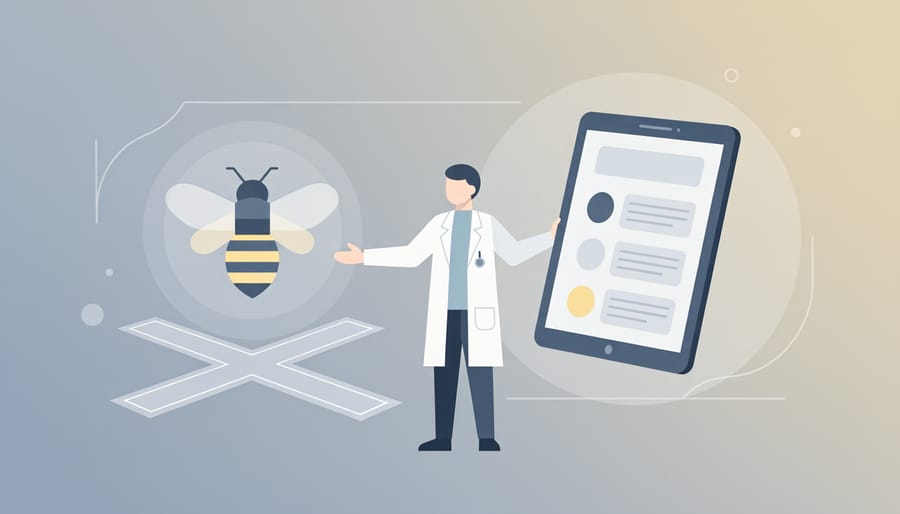
Safer Ways Forward: Proven Strategies and Where to Get Support
Living well with HIV today means relying on strategies that have been rigorously tested and proven to work. Antiretroviral therapy (ART) remains the cornerstone of HIV care in Canada. When taken consistently, ART suppresses the virus to undetectable levels, allowing people to live long, healthy lives and preventing transmission to sexual partners (known as U=U, or Undetectable equals Untransmittable). Your healthcare provider can help you find the right regimen, manage side effects, and monitor your progress through regular blood tests.
If you’re considering any new or alternative treatment, protect yourself by following these steps:
- Talk to your doctor or HIV specialist before starting anything new, especially if it involves stopping or changing your current medications.
- Ask for evidence: request peer-reviewed studies published in reputable medical journals, not just testimonials or online claims.
- Check if the treatment is approved by Health Canada or endorsed by recognized HIV organizations.
- Be wary of anyone promising a cure or asking you to pay large sums upfront.
- Continue your ART and regular medical appointments while you explore other options.
Across Canada, you’re not alone in this journey. Organizations like the Canadian AIDS Society and CATIE offer trustworthy, up-to-date information on HIV treatment and prevention. Provincial AIDS service organizations provide peer support groups, counselling, and practical help navigating healthcare. Many communities also have specialized HIV clinics where you can connect with others who understand your experience. These resources exist to support you, answer your questions, and help you make informed choices about your health.
Conclusion
The search for a cure is human nature, and stories about bee venom tap into that deep hope we all share. But right now, there’s no safe or proven way to cure HIV using bee stings or bee venom therapy. Lab research is interesting, yet it hasn’t translated into real treatments that work in the human body without serious risk.
What we do have is powerful: effective medications that help people with HIV live long, healthy lives. We have dedicated researchers pushing science forward every day. And we have a strong, connected community of Canadians living with HIV who support each other, share knowledge, and refuse to let stigma define them.
Your health matters. Your life matters. Trust in proven care, lean on credible resources, and stay connected to those who understand your journey. Hope isn’t found in unproven cures, it’s built through research, compassion, and the resilience you show every single day.