
THCP vape pens can be used by people living with HIV, but only under close medical supervision and with careful attention to antiretroviral medication interactions, immune function, and lung health. The primary safety concern isn’t THCp itself, but rather how vaping affects your respiratory system when your immune system may already be managing inflammation, and whether cannabinoids interact with the specific HIV medications you take. If your viral load is undetectable, your CD4 count is stable above 500, and your healthcare provider has reviewed your full medication list for interactions, vaping THCp may be a lower-risk option than for those with active immune compromise.
This matters because people living with HIV face unique considerations that general cannabis safety guidelines don’t address. Your liver processes both antiretroviral drugs and cannabinoids, sometimes using the same metabolic pathways. Certain protease inhibitors and integrase inhibitors can amplify THCp’s effects or create unexpected side effects. Meanwhile, any substance you inhale, including vape aerosol, enters lungs that may be more vulnerable to infection or inflammation if your immune system isn’t fully restored.
The good news? Thousands of Canadians living with HIV use cannabis products safely by following protocols designed for their specific health profile. This guide walks you through the medical screenings you need first, the step-by-step approach to testing THCp vaping safely, and the warning signs that mean you should stop immediately. You’ll learn which antiretroviral combinations pose the highest interaction risk, how to monitor your immune markers, and when vaping simply isn’t the right delivery method for your situation.
What You Need to Know Before Starting

Understanding THCp and Your Immune System
THCp, or tetrahydrocannabiphorol, is a naturally occurring cannabinoid discovered in 2019 that binds to your body’s CB1 receptors up to 33 times more strongly than delta-9-THC, the compound most people know as regular THC. This dramatic difference in binding affinity means THCp produces noticeably stronger psychoactive effects at much smaller doses. Where you might use 10mg of standard THC, you could experience similar or more intense effects from just 0.3mg to 1mg of THCp. This potency matters especially if you’re living with HIV, because your body’s response to cannabinoids may differ from someone without immune system considerations.
Your immune system includes CB1 and CB2 cannabinoid receptors on immune cells, including CD4+ T cells. When THCp activates these receptors, it can influence immune signaling and inflammation pathways. Research on regular cannabis use by people living with HIV has shown mixed findings: some studies suggest no significant impact on viral load or CD4 counts with short-term use, while others raise questions about chronic heavy use. Pharmacokinetic drug interactions between cannabinoids and antiretroviral medications add another layer of complexity, as both are processed through liver enzymes.
THCp’s extreme potency means these interactions and immune effects could theoretically be more pronounced, though specific research on THCp in HIV-positive populations doesn’t yet exist. What we do know is that your individual immune status, current CD4 count, viral suppression, and overall health will determine how your body handles any cannabinoid exposure.
Required Conversations with Your Healthcare Team
Before trying any THCp vape product, schedule a candid conversation with your doctor or HIV specialist. This isn’t optional, it’s the foundation of safe use.
Start by sharing your current HIV health markers. Your healthcare provider needs to know your latest viral load results and CD4 count. These numbers determine how well your immune system can handle potential respiratory irritants and metabolic changes from cannabinoids. If your viral load is detectable or your CD4 count is below 200, vaping THCp carries significantly higher risks.
Next, review your complete medication list. Bring the actual bottles or a written list of every antiretroviral drug you take, including doses and timing. Your doctor can identify potential interactions between THCp and your ARV regimen, some combinations affect how your body processes either the cannabis or your HIV medications.
Discuss any respiratory health concerns honestly. Mention if you’ve had pneumonia, bronchitis, tuberculosis, or ongoing cough. People living with HIV face higher risks of lung infections, and vaping introduces foreign substances directly into your respiratory system.
Finally, ask your doctor about monitoring plans if you proceed. What symptoms should prompt immediate contact? How often should you recheck your viral load and CD4 count after starting THCp?
This conversation protects both your HIV treatment success and your overall safety.
Critical Safety Warnings and Stop Conditions
Medication Interactions with Antiretroviral Therapy
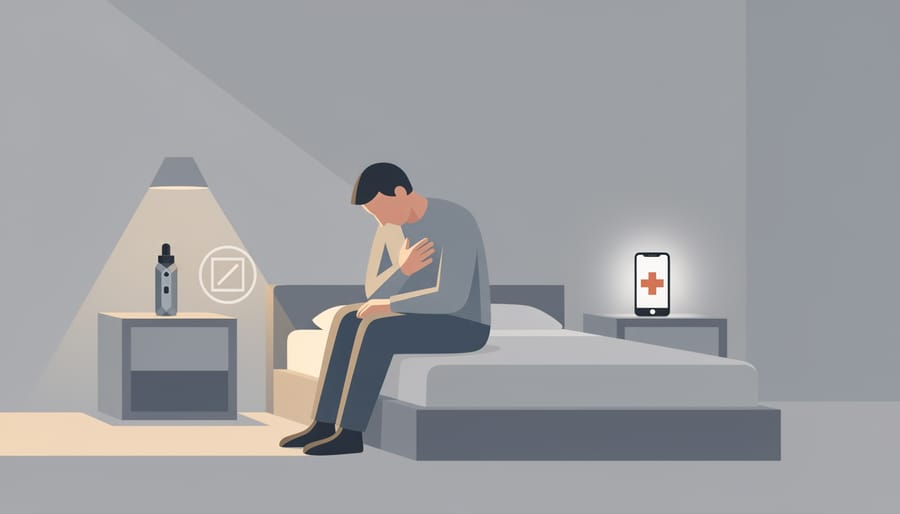
THCp and other cannabinoids are processed through the same liver pathways, specifically cytochrome P450 enzymes CYP3A4 and CYP2C9, that metabolize many antiretroviral medications. This overlap creates potential for drug interactions that can either increase THCp’s effects or alter your ARV blood levels, neither of which is safe when managing HIV.
Protease inhibitors like ritonavir, atazanavir, and darunavir are particularly concerning. These medications inhibit CYP3A4, which means they slow down how your body breaks down THCp. The result: THCp stays in your system longer and builds up to higher concentrations than expected, intensifying effects and increasing risk of adverse reactions. You might experience unexpected sedation, dizziness, or cognitive impairment from what would normally be a modest dose.
Non-nucleoside reverse transcriptase inhibitors (NNRTIs) including efavirenz and nevirapine work differently, they can speed up enzyme activity. This might reduce THCp’s effectiveness, but more critically, the interaction works both ways. Cannabinoids may alter how your body processes these ARVs, potentially lowering their blood levels and compromising viral suppression.
Cobicistat, a boosting agent used with several ARV regimens, also inhibits CYP3A4 and carries similar interaction risks as ritonavir.
Timing your THCp use several hours apart from your ARV doses does not eliminate these interactions. These enzyme effects last throughout the day, not just during peak drug concentrations. Your healthcare provider needs your complete ARV regimen details to assess interaction severity before you consider using THCp products.
When Vaping Is Not Safe
Some health conditions make THCp vaping off-limits, period. If you have an active respiratory infection, including flu, pneumonia, bronchitis, or COVID-19 and HIV complications, stop immediately. Inhaling vapour while your lungs are fighting infection adds unnecessary stress and can worsen symptoms.
CD4 count matters critically here. If your count sits below 200 cells/mm³, you’re dealing with advanced immunosuppression, and vaping introduces risks your body can’t safely manage. Even counts between 200 and 350 warrant serious caution. Your immune system needs every advantage; don’t compromise it further.
Recent HIV diagnosis brings unique vulnerabilities. Your body is adjusting to the virus and likely starting antiretroviral therapy. Adding THCp during this unstable period complicates treatment, masks symptoms you should be monitoring, and makes it harder for your healthcare team to assess how you’re responding to ARVs.
Unstable or detectable viral load is another hard stop. If your HIV isn’t under control, your priority must be achieving viral suppression before considering any cannabis use. THCp won’t help that goal and might interfere.
Pre-existing lung conditions, asthma, COPD, previous pneumonia, or any pulmonary complications, make vaping especially dangerous. Heat and chemical irritants damage already-compromised airways. If you’ve had Pneumocystis pneumonia or other opportunistic lung infections, your respiratory system remains vulnerable long after recovery.
Choosing Safe THCp Vape Products
Red Flags to Avoid
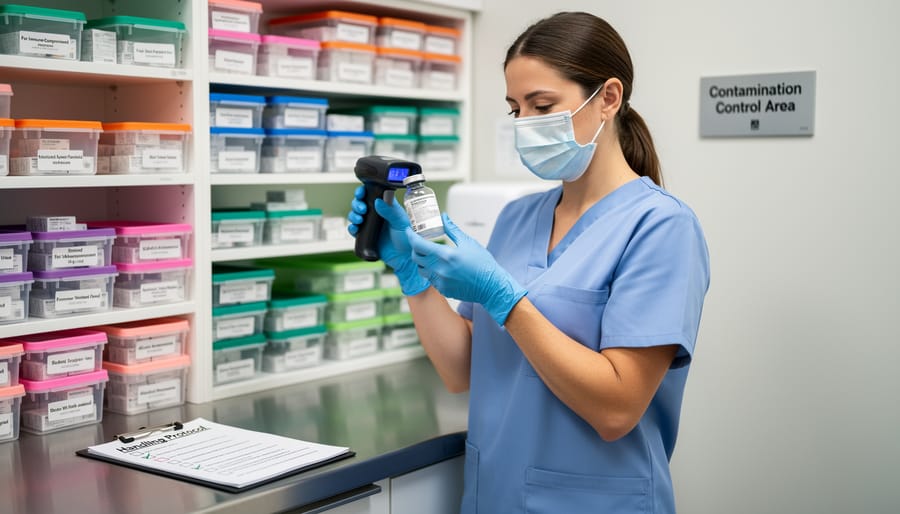
Unsafe THCp vape products pose serious health risks, especially for immune-compromised individuals. Products from unlicensed sellers or unverified online marketplaces should be avoided entirely. Without regulatory oversight, these items may contain dangerous contaminants that your body cannot fight off effectively.
Missing or incomplete lab testing certificates are immediate red flags. Legitimate products include recent third-party test results showing cannabinoid content, heavy metals screening, pesticide analysis, and microbiological testing. If the seller cannot provide these documents within minutes of asking, walk away.
Be suspicious of prices significantly lower than retail averages. A THCp cartridge priced at $20 when similar products cost $60-80 likely contains diluted THCp, cheaper cannabinoids, or harmful cutting agents. Your health isn’t worth the discount.
Vague labeling raises concerns too. Products should clearly state exact THCp percentage, not ranges like “high potency” or “extra strength.” Ingredient lists must be complete and specific.
Watch for vitamin E acetate, propylene glycol in excessive amounts, or any ingredients you cannot identify. These cutting agents have caused severe lung injuries. Products listing “natural terpenes” without naming them or showing “proprietary blends” hide potentially dangerous additives your compromised immune system cannot safely process.
Recommended Product Features for Immune-Compromised Users
When your immune system is managing HIV, even minor product quality issues can pose outsized risks. Beyond standard safety checks, look for vape cartridges sealed in tamper-evident packaging that indicates sterility. The product should arrive in its original manufacturer wrapping, not repackaged or previously opened.
Storage specifications matter more for immune-compromised users. Choose products with clear instructions to store away from heat and sunlight, ideally in their original container. Cartridges exposed to temperature fluctuations can develop condensation that harbors bacteria or mold.
Expiration dates aren’t suggestions, they’re critical timelines for product integrity. THCp can degrade into potentially harmful compounds over time, and old cartridges accumulate contaminants. Purchase only products with clearly printed manufacturing and expiration dates, and discard them after expiry even if liquid remains.
Consider single-use disposables over refillable cartridges if your CD4 count runs below 350. Disposables eliminate cross-contamination risks from repeated handling. If you choose cartridges, never share your device, even with household members, and replace mouthpieces if you’ve been ill. Your respiratory tract is a vulnerable entry point when immunity is compromised.
Step-by-Step Safe Vaping Protocol
Dosing Guidelines for People Living with HIV
Standard THCp dosing recommendations do not account for how HIV and antiretroviral medications affect your body’s response to cannabinoids. Your liver processes both ARVs and THCp through similar enzyme pathways, which means interactions can intensify or prolong THCp’s effects unpredictably.
Start with one inhalation lasting no more than one second. Wait a full two hours before considering a second dose. THCp is 30 times more potent than regular THC, and this potency hits harder when your immune system is managing HIV. What feels manageable to someone without HIV may overwhelm you.
Your CD4 count matters for dosing. If your count is below 350, extreme caution is essential, consider whether vaping is appropriate at all. Above 500 with an undetectable viral load gives you more flexibility, but individual variation still demands careful titration.
Keep your first sessions to single inhalations on days when you have no obligations. Note how long effects last. Some people living with HIV report THCp effects lasting six to eight hours rather than the typical three to four. If you take protease inhibitors, expect even longer duration.
Never increase your dose to chase stronger effects. If one inhalation provides no noticeable benefit after two hours, that dose is your starting point, not a baseline to double. Increase by tiny increments over weeks, not days. Your immune status can fluctuate, changing your tolerance unpredictably. What worked safely last month may hit differently today.
Hygiene and Contamination Prevention
Keeping your THCp vape products clean isn’t just good practice, it’s essential when your immune system needs extra protection. Start by washing your hands thoroughly before each vaping session. Twenty seconds with soap matters more than you might think.
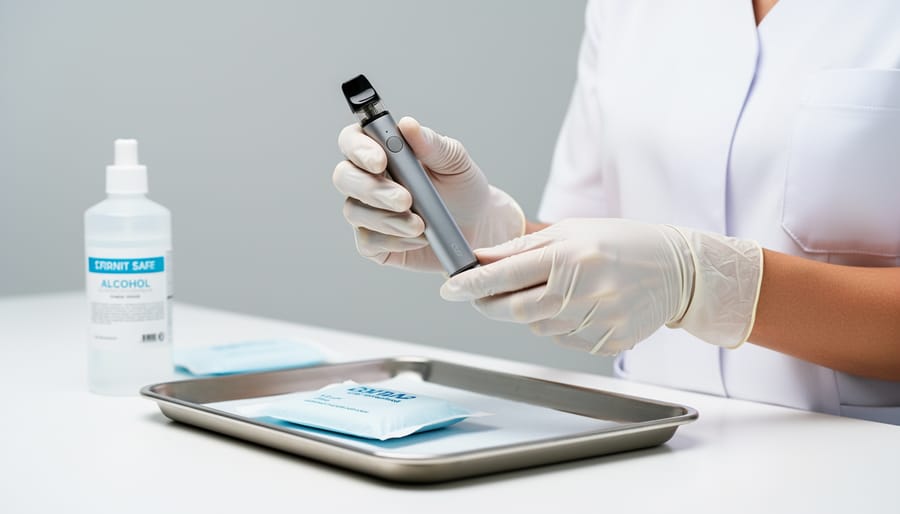
Clean the mouthpiece of your cartridge or disposable before every use. Wipe it down with a fresh alcohol pad (70% isopropyl), then let it air dry for thirty seconds. Never put your mouth directly on a device that’s been sitting out exposed to dust or touched by others.
Store your vape in a clean, sealed container or case when not in use, not loose in a pocket or bag where it collects lint and bacteria. Keep it away from bathroom counters, kitchen surfaces, or anywhere moisture accumulates.
Never share your vape device with anyone, even close friends or partners. Sharing introduces bacteria and viruses your body doesn’t need to fight. If someone asks, explain that it’s a health requirement, not a trust issue.
Replace disposables promptly when they taste off or look dirty. For cartridges, inspect the connection points weekly and clean them gently with alcohol pads. Contamination builds up invisibly, so consistent hygiene routines protect you better than occasional deep cleaning.
Monitoring Your Health and Verifying Safety
Keeping Track of Effects
Documenting your THCp use creates a factual record that helps you and your healthcare team spot patterns, connect symptoms to doses, and catch problems early. Keep a simple log, paper notebook or phone app, that you update each time you vape and whenever you notice something worth mentioning.
Record the date and time you vaped, how many puffs or pulls you took, and roughly how much THCp the product contains per dose if known. Note what you were hoping to address: sleep, nausea, pain, anxiety. Within the next few hours, jot down what actually happened, did symptoms improve, stay the same, or worsen? Write down any unwanted effects: dizziness, rapid heart rate, increased coughing, confusion, or feeling unusually high.
Track your ARV adherence alongside THCp use. If you miss doses or feel too impaired to take medications on schedule, that’s critical information. When you get lab results, viral load, CD4 count, add those numbers and dates to your log. Look for changes that coincide with starting, increasing, or stopping THCp.
Bring this log to appointments. It transforms vague impressions into concrete data your doctor can assess.
Regular Check-ins with Your HIV Care Team
Schedule a dedicated conversation about your THCp use every three to six months during your regular HIV appointments, or more frequently if you’re adjusting doses or experiencing any changes. Be direct with your care team, many doctors now understand that patients explore cannabis options, including vaping to quit smoking or manage symptoms. Request that your standard viral load and CD4 count tests specifically note the timing relative to your THCp use patterns, so your team can identify any correlations. If you’re on a new ARV regimen or changing medications, inform your doctor immediately about your THCp consumption, as interactions may shift. Bring your usage log to appointments rather than relying on memory. Ask explicitly whether your liver enzyme levels show any changes that might indicate cannabinoid metabolism issues. Honest disclosure protects you: your medical team cannot provide appropriate care if they don’t know what substances you’re using, and patient confidentiality means this information stays in your medical record, not your employment file or immigration paperwork.
Personal Stories from the Canadian HIV Community
Marcus, a 42-year-old from Vancouver, had been living with HIV for eight years when he first heard about THCp vaping from his support group. “I was curious because regular cannabis helped my neuropathy, but I wanted something stronger for the pain.” He spent three months researching and consulting his infectious disease specialist before trying a regulated THCp cartridge. “My doctor ran extra labs to establish my baseline CD4 and viral load, then we agreed I’d start with literally one three-second puff and wait two hours.” Marcus kept detailed notes and found that minimal THCp use helped his symptoms without affecting his ARV effectiveness. “The key was treating it like adding any new medication, with caution and medical oversight.”
Janine’s experience in Toronto was different. She tried a THCp disposable from an unlicensed shop without telling her doctor, hoping it would ease her anxiety. Within two weeks, she developed a persistent cough and felt increasingly fatigued. “My viral load had been undetectable for years, but I got scared something was wrong.” Her HIV specialist discovered the vaping and ordered immediate testing. While her HIV remained controlled, she’d developed a respiratory infection that her compromised immune system struggled to clear. “I learned the hard way that shortcuts don’t work when you’re immunocompromised. Now I research everything, including CBD and HIV interactions, before trying any cannabis product.”
Both stories underscore the same truth: there’s no universal answer for people living with HIV considering THCp vaping. What works safely for one person may cause problems for another, depending on individual health status, viral suppression, and medical guidance.
Common Questions About THCp Vaping and HIV
Can THCp lower my CD4 count or affect my viral load?
Current research on THCp specifically is limited, but studies on cannabinoids and HIV show mixed results. Some evidence suggests cannabinoids may have anti-inflammatory effects, while concerns exist about potential immune modulation. Your CD4 count and viral load should be monitored regularly through your existing HIV care schedule, and any changes should be discussed with your healthcare team to determine if THCp use is contributing.
Will THCp interfere with my antiretroviral medications?
THCp may interact with certain ARVs through liver enzyme pathways, particularly medications metabolized by CYP3A4 and CYP2C9. This can potentially alter drug levels in your bloodstream, affecting treatment effectiveness. Your HIV specialist needs to review your specific medication regimen before you start using THCp products.
Is vaping THCp safer than smoking cannabis for my lungs?
Vaping eliminates combustion byproducts like tar and carbon monoxide, which theoretically reduces some respiratory harm. However, vaping still delivers heated substances to your lungs and carries risks of chemical exposure from vaping liquids. For people living with HIV who may have compromised respiratory defenses or higher infection susceptibility, neither method is without risk.
Can THCp help with HIV-related symptoms like neuropathy or appetite loss?
Some people living with HIV report that cannabinoids help manage pain, nausea, or appetite issues, though evidence specifically for THCp is lacking. Because THCp is significantly more potent than regular THC, it may provide relief at lower doses but also carries higher risk of adverse effects. Medical cannabis programs may offer more appropriate, regulated options for symptom management.
How do I talk to my doctor about wanting to try THCp vaping?
Be direct and honest about your interest in THCp products, emphasizing that you want medical guidance to use them as safely as possible. Come prepared with information about the specific products you’re considering, your reasons for interest (symptom relief, recreational use, etc.), and questions about your individual risk factors. Most HIV specialists in Canada understand that patients may use cannabis and want to provide harm reduction guidance rather than judgment.
What if I experience negative effects after vaping THCp?
Stop using the product immediately if you experience chest pain, severe shortness of breath, rapid heart rate, extreme anxiety, or any concerning symptoms. Contact your healthcare provider or seek emergency care for serious reactions. Document what product you used, how much, and your symptoms to help your care team assess whether it’s safe to continue or if adjustments are needed.
Beyond these core safety questions, many people living with HIV wonder about the connection between cannabis use and mental health. Research has identified links between anxiety and HIV and while some individuals use cannabinoids to manage anxiety symptoms, THCp’s high potency can actually trigger or worsen anxiety in some users. This creates a complex situation where the same substance might help one person and harm another, reinforcing why individualized medical guidance matters so much.
Another common concern involves timing: how long should you wait after starting or changing ARV medications before trying THCp? Most specialists recommend waiting until your viral load is undetectable and stable for at least several months, ensuring your HIV treatment is working effectively before introducing any variable that might complicate monitoring. This patience protects both your immediate health and your long-term treatment success.
THCp vaping isn’t universally safe or unsafe for people living with HIV, your individual health status, viral load, CD4 count, and medication regimen determine what’s appropriate for you. This is why working closely with your healthcare team is non-negotiable. The proper medical guidance, careful product selection, and consistent monitoring outlined in this guide create the foundation for safer use, but they can’t replace personalized medical advice.
Your HIV treatment must always come first. Nothing about THCp use should compromise your antiretroviral therapy, your regular lab work, or your relationship with your care team. If you’re considering THCp products, approach the conversation with your doctor honestly. Many healthcare providers understand that their patients explore cannabis options and want to help you do so as safely as possible.
The Canadian HIV community includes people who’ve successfully integrated THCp into their wellness routines with proper precautions, and others who’ve learned through experience that it wasn’t right for them. Both paths are valid. What matters is that you make decisions based on accurate information, professional guidance, and ongoing attention to how your body responds.
You deserve to explore options that might improve your quality of life, and you also deserve to do so without putting your health at risk. Take your time, ask questions, document your experiences, and trust yourself to make the choice that’s right for your unique situation.